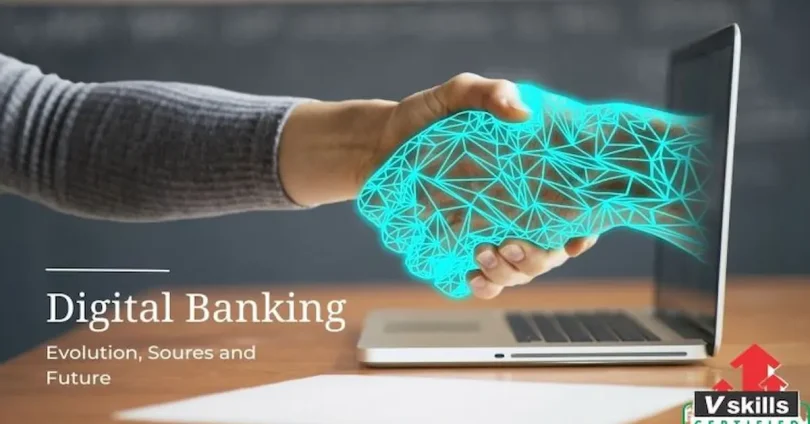

Digital banking has transformed the way people manage their money by allowing them to access banking services through the internet and mobile devices. Instead of visiting a bank branch for everyday transactions, customers can now transfer money, pay bills, check account balances, and manage finances from anywhere at any time.
The growing use of smartphones, mobile apps, and internet services has made digital banking one of the most important innovations in the financial industry. It offers convenience, speed, and accessibility, making banking easier for individuals and businesses alike. As technology continues to advance, more people are choosing digital banking over traditional banking methods.
One of the biggest advantages of digital banking is its ability to provide 24/7 access to financial services. Whether you need to send money, review transactions, or apply for a loan, digital banking allows you to complete these tasks quickly and securely without waiting in long bank queues.
In this guide, you will learn everything about digital banking, including how it works, its key features, benefits, security measures, challenges, and the future of digital financial services. Understanding digital banking can help you make better financial decisions and take full advantage of modern banking technology.
What Is Digital Banking?
Digital is the use of digital technologies, such as websites, mobile apps, and online platforms, to provide banking services over the internet. It allows customers to perform financial transactions and manage their accounts without visiting a physical bank branch.
In simple words, means accessing and using banking services through a computer, smartphone, or tablet anytime and anywhere.
How Digital Banking Works
Digital connects customers to their bank accounts through secure online systems.
- Access accounts through mobile apps or websites
- Transfer money instantly
- Pay bills online
- Monitor account activity in real time
Main Components of Digital Banking
Digital includes various online financial services, such as:
- Mobile banking apps
- Internet banking portals
- Digital payments and transfers
- Online loan and credit services
- Electronic account statements
Why Digital Banking Is Popular
More people are choosing because it offers:
- Convenience and flexibility
- Faster service delivery
- Easy access to financial information
- Secure and efficient transactions
Simple Understanding
In simple terms, digital banking is a modern way of managing money and banking activities through the internet, making financial services faster, easier, and more convenient for everyone.
you may also like it;
Market Predictions: Future Trends & Expert Forecasts
Investment Opportunities: Best Ways to Grow Your Wealth
Financial Market News: Latest Trends, Updates & Insights
Economic Analysis: Complete Guide to Trends, Data & Decisions
Why Digital Banking Matters
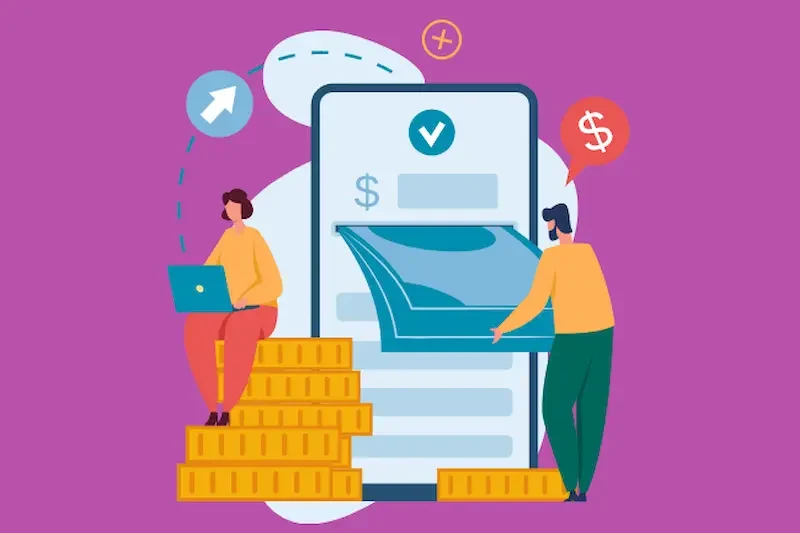
Digital has become an important part of modern financial life because it provides quick, convenient, and efficient access to banking services. It helps people manage their finances more easily while saving time and effort.
Convenience Anytime, Anywhere
One of the biggest advantages of is that it is available 24/7.
- Access accounts at any time
- Perform transactions from anywhere
- No need to visit a bank branch
Faster Financial Transactions
Digital allows users to complete financial activities within minutes.
- Instant money transfers
- Quick bill payments
- Fast account updates
Better Financial Management
Digital banking tools help users keep track of their finances.
- View account balances instantly
- Monitor spending habits
- Access transaction history easily
Improved Customer Experience
Banks use digital technology to provide better services.
- User-friendly mobile apps
- Personalized financial services
- Faster customer support
Supports a Cashless Economy
Digital encourages electronic transactions instead of cash payments.
- Safer payment methods
- Convenient online shopping
- Reduced dependence on physical cash
Simple Understanding
In simple words, digital matters because it makes banking faster, easier, and more accessible, helping people manage their money efficiently while enjoying greater convenience and security.
Key Features of Digital Banking
Digital banking offers a variety of features that make managing money easier, faster, and more convenient. These features allow customers to perform most banking activities without visiting a physical branch.
Online Account Access
Customers can access their bank accounts anytime through a website or mobile app.
- Check account balances
- View transaction history
- Download account statements
Mobile Banking Apps
Most banks provide mobile apps that allow users to manage finances directly from their smartphones.
- Quick account access
- Easy money transfers
- Real-time notifications
Instant Money Transfers
Digital banking enables fast and secure fund transfers.
- Send money to other accounts
- Transfer funds between your own accounts
- Make international transactions in some cases
Online Bill Payments
Customers can pay utility bills and other expenses without leaving home.
- Electricity bills
- Internet and mobile bills
- Credit card payments
Account Alerts and Notifications
Banks send instant updates to help customers monitor account activity.
- Transaction alerts
- Payment reminders
- Security notifications
Digital Payments
Digital banking supports cashless transactions through various payment methods.
- QR code payments
- Mobile wallet integration
- Contactless payment options
Loan and Credit Services
Many banks allow customers to apply for financial products online.
- Personal loans
- Credit cards
- Loan status tracking
Simple Understanding
In simple words, the key features of digital banking include online account access, mobile banking, instant transfers, bill payments, digital payments, and real-time account monitoring, making banking more convenient and efficient.
Benefits of Digital Banking
Digital banking provides numerous advantages that make financial services more convenient and efficient. It allows customers to handle banking tasks quickly while saving time and effort.
24/7 Access to Banking Services
Unlike traditional banks with fixed working hours, is available at all times.
- Access your account anytime
- Perform transactions day or night
- No dependence on branch hours
Saves Time and Effort
Digital banking eliminates the need to visit a bank for routine tasks.
- No waiting in long lines
- Quick online transactions
- Faster service delivery
Lower Banking Costs
Digital services often reduce operational costs for banks and customers.
- Fewer service charges
- Reduced travel expenses
- Cost-effective transactions
Improved Financial Management
Customers can easily track and manage their money.
- Monitor account balances
- Review transaction history
- Set spending and savings goals
Enhanced Convenience
Most banking activities can be completed from a smartphone or computer.
- Pay bills online
- Transfer funds instantly
- Apply for financial products remotely
Better Security Features
Modern digital banking systems use advanced security technologies.
- Secure login methods
- Two-factor authentication
- Fraud monitoring systems
Environmentally Friendly
Digital reduces paper usage by offering electronic documents and statements.
- Paperless transactions
- Digital records and receipts
- Reduced environmental impact
Simple Understanding
In simple words, digital offers convenience, speed, lower costs, better money management, and improved security, making banking easier and more accessible for everyone.
Common Digital Banking Services
Digital offers a wide range of services that help customers manage their finances quickly and conveniently. These services are available through mobile apps, websites, and other digital platforms.
Mobile Banking
Mobile banking allows customers to access their accounts through smartphones or tablets.
- Check account balances
- Transfer money
- View transaction history
- Receive account alert
Online Money Transfers
Digital makes sending and receiving money simple and fast.
- Transfer funds between accounts
- Send money to family
- Make international transfers (where available)
Digital Wallets
Digital wallets store payment information electronically for quick transactions.
- Contactless payments
- Online shopping payments
- Easy money transfers
Online Bill Payments
Customers can pay various bills without visiting payment centers.
- Utility bills
- Internet and mobile bills
- Credit card payments
Loan Applications
Many banks now allow customers to apply for loans online.
- Personal loans
- Home loans
- Business loans
- Loan status tracking
Savings and Investment Services
Digital platforms often include tools for growing wealth.
- Open savings accounts online
- Manage fixed deposits
- Access investment options
Account Management
Customers can manage nearly every aspect of their accounts digitally.
- Update personal information
- Download statements
- Check transaction records
- Manage cards and account settings
Simple Understanding
In simple words, digital banking services include mobile banking, online transfers, digital payments, bill payments, loans, savings, and account management, making financial tasks easier and more convenient
How Digital Banking Is Transforming the Banking Industry
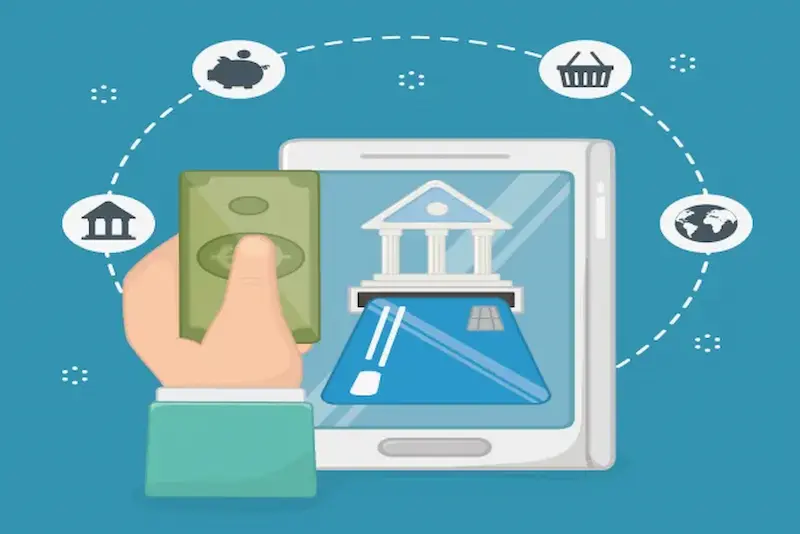
Digital banking is revolutionizing the banking industry by making financial services faster, more accessible, and more customer-focused. Banks are adopting digital technologies to meet the growing demand for convenient and efficient banking solutions.
Reduced Dependence on Physical Branches
Customers no longer need to visit bank branches for most banking activities.
- Online account management
- Digital transactions
- Remote customer support
Faster Customer Service
Digital tools help banks respond to customer needs more quickly.
- Instant account updates
- Automated services
- AI-powered chat support
Growth of Cashless Transactions
Digital encourages electronic payments and reduces the need for cash.
- Mobile payments
- QR code transactions
- Online shopping payments
Improved Financial Inclusion
Digital banking makes financial services available to more people.
- Access in remote areas
- Easy account opening processes
- Banking through smartphones
Better Customer Experience
Modern digital platforms offer personalized and user-friendly services.
- Simple mobile apps
- Customized financial recommendations
- Convenient self-service options
Lower Operational Costs
Digital banking reduces the costs associated with maintaining physical branches.
- Less paperwork
- Automated processes
- More efficient operations
Innovation and Competition
Digital banking has increased competition in the financial sector, encouraging innovation.
- New banking technologies
- Improved financial products
- Better services for customers
Simple Understanding
In simple words, digital banking is transforming the banking industry by making services faster, more convenient, and more accessible while reducing costs and improving the overall customer experience.
What is digital banking?
Digital banking is the use of online platforms, websites, and mobile apps to access and manage banking services without visiting a physical bank branch.
How does digital banking work?
Digital banking works through secure internet-based systems that allow users to check balances, transfer money, pay bills, and manage accounts online.
Is digital banking safe?
Yes, digital banking is generally safe when banks use security measures such as encryption, two-factor authentication, and fraud monitoring systems. Users should also follow safe online banking practices.
Conclusion
Digital has completely changed the way people manage their money by making financial services faster, easier, and more accessible. It allows users to perform everyday banking tasks such as transferring money, paying bills, checking balances, and managing accounts directly from their smartphones or computers
In this guide, we explored the key aspects of , including its features, benefits, services, challenges, and impact on the banking industry. It is clear that digital banking is not just a modern convenience but an essential part of today’s financial system.
With continued technological growth, digital banking will become even more advanced, offering smarter, safer, and more personalized financial solutions. It is helping both individuals and businesses save time, reduce costs, and improve financial management.
In simple words, digital is shaping the future of finance by making banking more efficient, convenient, and user-friendly for everyone.