

Economic analysis is the process of studying economic data, trends, and indicators to understand how an economy is performing. It helps businesses, governments, investors, and individuals make informed decisions based on facts rather than assumptions. By examining factors such as inflation, employment, consumer spending, and economic growth, economic analysis provides valuable insights into current and future economic conditions.
In today’s rapidly changing world, economic analysis has become more important than ever. Businesses use it to plan investments, set prices, and identify growth opportunities. Governments rely on economic analysis to create policies, manage budgets, and support economic development. Investors use it to evaluate market conditions and make smarter financial decisions.
Economic analysis helps explain why economic changes happen and what impact they may have on businesses and society. It allows decision-makers to identify risks, predict future trends, and develop effective strategies for success.
This guide will explore the meaning of economic analysis, its importance, different types, key components, benefits, challenges, and how it is used in business, government, and investment decisions.
What Is Economic Analysis?
Economic analysis is the process of examining economic data, market trends, and financial information to understand how resources are used and how economic decisions affect individuals, businesses, and governments. It helps people evaluate different options and choose the most beneficial course of action.
The main goal of economic analysis is to study economic activities and identify patterns that can help predict future outcomes. By analyzing data, economists and decision-makers can better understand the strengths and weaknesses of an economy.
Purpose of Economic Analysis
Economic analysis is used to:
- Understand economic conditions
- Support business and investment decisions
- Evaluate costs and benefits
- Improve resource allocation
- Predict future economic trends
How Economic Analysis Helps
Economic analysis provides useful information that can help:
- Businesses increase profits
- Governments create effective policies
- Investors make smarter decisions
- Organizations manage risks more effectively
Key Areas Covered in Economic Analysis
Economic analysis often focuses on:
- Supply and demand
- Inflation rates
- Interest rates
- Employment levels
- Economic growth
- Consumer spending
Simple Understanding
Economic analysis is a method of studying economic information to understand current conditions, solve problems, and make better financial and business decisions. It helps individuals and organizations plan for the future with greater confidence.
you may also like it;
Market Predictions: Future Trends & Expert Forecasts
Investment Opportunities: Best Ways to Grow Your Wealth
Financial Market News: Latest Trends, Updates & Insights
Economic Analysis: Complete Guide to Trends, Data & Decisions
Why Economic Analysis Is Important
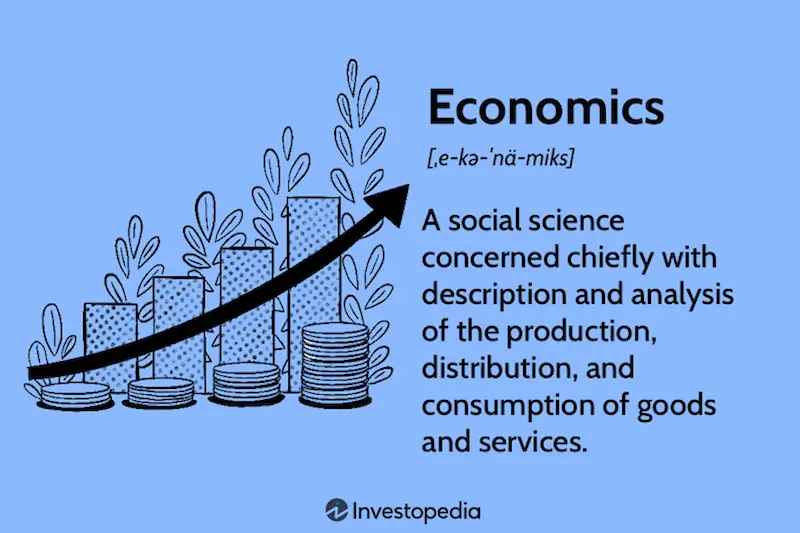
Economic analysis is important because it helps individuals, businesses, investors, and governments make informed decisions. By understanding economic conditions and market trends, decision-makers can plan more effectively and reduce uncertainty.
Supports Better Decision-Making
Economic analysis provides valuable information that helps people make smarter choices.
- Uses facts and data instead of guesses
- Improves planning and strategy
- Helps evaluate different options
- Increases decision-making confidence
Improves Resource Allocation
Resources such as money, time, and labor are limited helps use these resources efficiently.
- Reduces waste
- Maximizes productivity
- Improves business performance
- Supports sustainable growth
Identifies Economic Opportunities
Economic analysis helps discover areas where growth and profits are possible.
- Finds new market opportunities
- Identifies profitable investments
- Supports business expansion
- Recognizes emerging trends
Helps Manage Risks
Understanding economic conditions helps organizations prepare for challenges.
- Identifies potential threats
- Reduces financial uncertainty
- Improves risk management
- Supports long-term stability
Supports Government Policies
Governments use economic analysis to create effective policies and improve public welfare.
- Budget planning
- Tax policy development
- Economic growth strategies
- Employment programs
Simple Understanding
Economic analysis is important because it helps people make better decisions, use resources wisely, reduce risks, identify opportunities, and plan for future growth.
Main Types of Economic Analysis
Economic can be divided into several types, each focusing on a different aspect of the economy. Understanding these types helps businesses, governments, and investors analyze economic situations more effectively.
Microeconomic Analysis
Microeconomic analysis focuses on individual consumers, households, and businesses. It studies how people make decisions about spending, production, and pricing.
- Consumer behavior
- Product pricing
- Supply and demand
- Business competition
- Resource allocation
Macroeconomic Analysis
Macroeconomic analysis examines the economy as a whole. It focuses on large-scale economic factors that affect countries and global markets.
- Economic growth
- Inflation
- Unemployment
- National income
- Government policies
Cost-Benefit Analysis
Cost-benefit analysis compares the expected costs and benefits of a decision or project to determine whether it is worthwhile.
- Evaluates profitability
- Supports investment decisions
- Helps reduce unnecessary expenses
- Improves project planning
Market Analysis
Market analysis studies market conditions and customer demand to understand business opportunities and competition.
- Customer preferences
- Market trends
- Industry competition
- Demand forecasting
- Sales opportunities
Financial Analysis
Financial analysis focuses on financial performance and investment decisions.
- Revenue and expenses
- Profitability analysis
- Investment evaluation
- Financial planning
- Risk assessment
Simple Understanding
The main types of include microeconomic analysis, macroeconomic analysis, cost-benefit analysis, market analysis, and financial analysis. Each type provides valuable insights that help in making better economic and business decisions.
Key Elements of Economic Analysis
Economic relies on several important elements that help measure the health and performance of an economy. These elements provide valuable information for businesses, investors, and policymakers when making decisions.
Supply and Demand
Supply and demand are the foundation of economic analysis. They determine how goods and services are priced in the market.
- Higher demand can increase prices
- Higher supply can lower prices
- Helps understand market behavior
- Influences production decisions
Inflation
Inflation measures the increase in the prices of goods and services over time.
- Affects purchasing power
- Influences consumer spending
- Impacts business costs
- Helps guide economic policies
Interest Rates
Interest rates represent the cost of borrowing money and the return on savings.
- Affect business investments
- Influence consumer spending
- Impact loan costs
- Help control inflation
Employment Levels
Employment data shows how many people have jobs and how many are unemployed.
- Reflects economic health
- Indicates consumer purchasing power
- Affects business growth
- Helps measure economic stability
Gross Domestic Product (GDP)
GDP measures the total value of goods and services produced within a country.
- Indicates economic growth
- Measures overall economic performance
- Helps compare economies
- Guides government planning
Consumer Spending
Consumer spending represents the money people spend on goods and services.
- Drives economic growth
- Reflects consumer confidence
- Supports business revenue
- Influences market demand
Simple Understanding
Key elements of economic include supply and demand, inflation, interest rates, employment levels, GDP, and consumer spending. These factors help explain how an economy functions and provide valuable insights for better decision-making.
How Economic Analysis Works
Economic follows a structured process that helps economists, businesses, and governments understand economic conditions and make informed decisions. It involves collecting data, studying trends, and using the findings to predict future outcomes.
Collecting Economic Data
The first step is gathering accurate and reliable information from different sources.
- Government reports
- Market research studies
- Financial statements
- Industry publications
- Economic surveys
Analyzing Economic Indicators
After collecting data, analysts examine important economic indicators to understand current conditions.
- GDP growth
- Inflation rates
- Employment statistics
- Interest rates
- Consumer spending patterns
Identifying Trends and Patterns
Economic data is studied to find patterns and trends that may affect future economic performance.
- Rising or falling demand
- Changes in spending behavior
- Market growth opportunities
- Economic risks and challenges
Evaluating Economic Impact
Analysts assess how economic changes affect businesses, consumers, and governments.
- Impact on investments
- Effects on business profits
- Changes in consumer behavior
- Influence on government policies
Making Forecasts and Predictions
The final step is using the analysis to estimate future economic conditions.
- Economic growth forecasts
- Market trend predictions
- Investment opportunities
- Risk assessments
Simple Understanding
Economic works by collecting data, studying economic indicators, identifying trends, evaluating impacts, and making forecasts. This process helps people understand the economy and make better financial and business decisions.
Common Economic Indicators
Economic indicators are statistics and measurements used to evaluate the health and performance of an economy. They help businesses, investors, and governments understand current economic conditions and predict future trends.
Gross Domestic Product (GDP)
GDP measures the total value of all goods and services produced within a country during a specific period.
- Indicates economic growth
- Measures overall economic performance
- Helps compare different economies
- Reflects productivity levels
Inflation Rate
The inflation rate shows how quickly the prices of goods and services are increasing over time.
- Affects purchasing power
- Influences consumer spending
- Impacts business costs
- Guides monetary policy decisions
Unemployment Rate
The unemployment rate measures the percentage of people who are willing to work but cannot find jobs.
- Reflects labor market conditions
- Indicates economic strength or weakness
- Affects household income
- Influences consumer confidence
Interest Rates
Interest rates determine the cost of borrowing money and the return on savings.
- Influence business investments
- Affect consumer loans
- Impact spending decisions
- Help control inflation
Consumer Confidence Index (CCI)
This indicator measures how optimistic consumers feel about the economy.
- Predicts spending behavior
- Reflects economic expectations
- Helps businesses forecast demand
- Indicates overall market confidence
Trade Balance
The trade balance compares a country’s exports and imports.
- Shows international trade performance
- Affects economic growth
- Influences currency value
- Indicates global competitiveness
Retail Sales
Retail sales measure consumer spending on goods and services.
- Reflects consumer demand
- Indicates economic activity
- Helps forecast growth
- Supports business planning
Simple Understanding
Common economic indicators such as GDP, inflation, unemployment, interest rates, consumer confidence, trade balance, and retail sales help measure economic performance and provide valuable insights for decision-making.
What is economic analysis?
Economic analysis is the process of studying economic data, trends, and indicators to understand how an economy works and to support better decision-making.
Why is economic analysis important?
Economic analysis helps businesses, investors, and governments make informed decisions, reduce risks, identify opportunities, and plan for future growth.
What are the main types of economic analysis?
The main types include:
Microeconomic analysis
Macroeconomic analysis
Cost-benefit analysis
Market analysis
Financial analysis
Conclusion
Economic is a powerful tool that helps us understand how an economy works and how different factors influence financial decisions. It provides valuable insights into economic conditions, market trends, and future possibilities, making it essential for businesses, investors, and governments.
By studying key elements like inflation, GDP, employment, interest rates, and consumer spending, economic analysis helps in making smarter and more informed decisions. It also supports better planning, reduces risks, and identifies growth opportunities in both business and investment sectors.
In today’s fast-changing global economy, has become more important than ever. It allows decision-makers to respond quickly to changes, improve strategies, and achieve long-term success.
In simple words, economic analysis helps people and organizations understand the economy better, make wise financial choices, and build a stronger future.