
Investing is one of the smartest ways to grow your money and build long-term financial security. For beginners, it may seem confusing at first, but once you understand the basics, it becomes much easier to start your journey toward financial growth.
A beginner investing guide helps you learn how to put your money into different assets such as stocks, bonds, or mutual funds with the goal of earning returns over time. Unlike saving money in a bank, investing allows your money to grow and work for you.
Starting early is one of the biggest advantages in investing. Even small amounts can grow significantly over time when invested wisely and consistently. The key is to understand your goals, learn the basics, and stay patient throughout your investment journey.
In this guide, you will learn everything a beginner needs to know—from what investing is and how it works, to simple strategies that can help you start confidently and avoid common mistakes.
What Is Investing?
Investing simply means putting your money into financial assets with the expectation of earning a profit in the future. Instead of keeping your money idle, investing allows it to grow over time through returns such as interest, dividends, or capital gains.
In simple words, investing is a way to make your money work for you. For example, when you buy stocks, mutual funds, or bonds, you are giving your money a chance to increase in value over time. Beginner Investing Guide
How Investing Works
When you invest, your money is used in businesses, markets, or assets. Over time, these investments may grow in value or generate income, helping you build wealth. Beginner Investing Guide
Investing vs Saving
Many beginners confuse saving with investing, but they are different:
- Saving: Keeping money in a bank account for safety and short-term needs
- Investing: Growing money by taking calculated risks for higher returns
Why Investing Matters
Investing is important because it helps you:
- Grow your wealth over time
- Achieve long-term financial goals
- Beat inflation Beginner Investing Guide
- Create additional income sources
Simple Understanding
In short, investing is a powerful financial tool that helps you increase your money instead of just storing it, making it an essential part of building a strong financial future. Beginner Investing Guide
you may also like it;
Market Predictions: Future Trends & Expert Forecasts
Investment Opportunities: Best Ways to Grow Your Wealth
Financial Market News: Latest Trends, Updates & Insights
Economic Analysis: Complete Guide to Trends, Data & Decisions
Importance of Investing for Beginners
Investing is especially important for beginners because it builds the foundation of long-term financial success. Starting early, even with small amounts, can make a big difference over time due to the power of compounding and market growth. Beginner Investing Guide
Build Long-Term Wealth
Investing helps you gradually grow your money instead of letting it sit idle. Over time, consistent investing can turn small savings into significant wealth. Beginner Investing Guide
Achieve Financial Freedom
With the right investment habits, you can create multiple income sources and move closer to financial independence where money is no longer a major stress.
Beat Inflation
Prices of goods and services increase over time. If your money is not invested, it loses value. Investing helps your money grow faster than inflation. Beginner Investing Guide
Create Passive Income
Some investments, like dividend stocks or bonds, can generate regular income without active work, helping you earn even while you sleep. Beginner Investing Guide
Develop Financial Discipline
Investing teaches patience, planning, and discipline—skills that are important for strong financial management.
Simple Understanding
In simple words, investing is important for beginners because it helps you grow wealth, protect your money from inflation, and build a more secure financial future step by step. Beginner Investing Guide
Types of Investments for Beginners
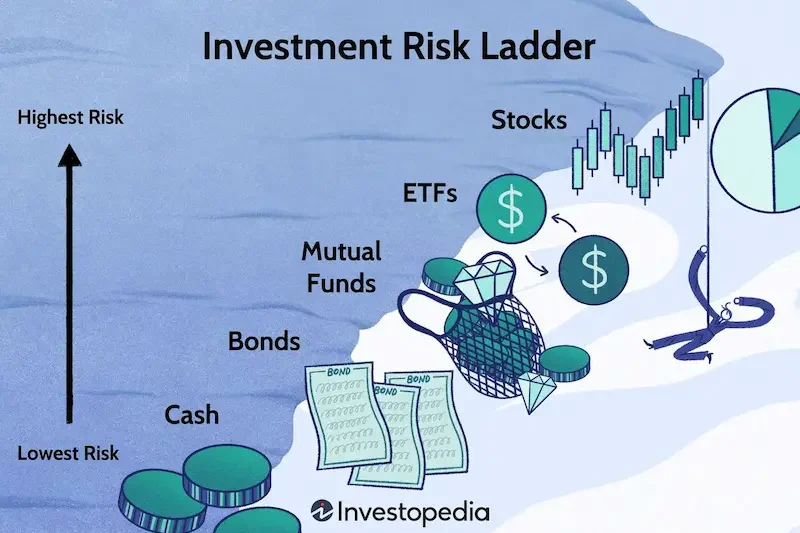
As a beginner, it is important to understand the different types of investments available. Each option has its own risk level, return potential, and purpose. Choosing the right mix can help you build a strong and balanced portfolio. Beginner Investing Guide
Stocks
Stocks represent ownership in a company. When you buy stocks, you become a partial owner of that business.
- High return potential
- Higher risk compared to other investments
- Suitable for long-term growth Beginner Investing Guide
Bonds
Bonds are loans you give to companies or governments in exchange for regular interest payments.
- Lower risk than stocks
- Provide stable income
- Good for conservative investors
Mutual Funds
Mutual funds pool money from many investors and invest in a mix of stocks, bonds, and other assets.
- Professionally managed
- Diversified investment Beginner Investing Guide
- Beginner-friendly option
Exchange-Traded Funds (ETFs)
ETFs are similar to mutual funds but are traded on stock exchanges.
- Low cost
- Easy diversification
- Flexible buying and selling
Real Estate
Real estate involves investing in property such as land, houses, or commercial buildings.
- Long-term appreciation
- Rental income potential Beginner Investing Guide
- Requires higher initial investment
Cryptocurrency (Basic Level)
Cryptocurrency is a digital form of currency like Bitcoin and Ethereum.
- High risk and high reward
- Highly volatile market Beginner Investing Guide
- Requires careful research
Simple Understanding
In simple terms, beginners can choose from different investment types depending on their risk level and financial goals. A balanced mix of these investments can help reduce risk and improve long-term returns. Beginner Investing Guide
How to Start Investing Step by Step
Starting your investment journey can feel difficult, but with a simple step-by-step approach, beginners can easily get started with confidence and clarity.
Step 1: Set Your Financial Goals
Before investing, decide what you want to achieve. Your goals may include:
- Saving for retirement
- Buying a house
- Building long-term wealth Beginner Investing Guide
- Creating passive income
Clear goals help you choose the right investment plan.
Step 2: Understand Your Risk Level
Every investment carries some level of risk. Beginners should understand how much risk they can handle based on their income, savings, and comfort level. Beginner Investing Guide
Step 3: Choose a Reliable Investment Platform
Select a trusted platform or broker where you can safely invest your money. Make sure it is secure, regulated, and easy to use.
Step 4: Start with a Small Amount
You don’t need a large amount to begin investing. Start small and increase your investment as you gain experience and confidence.
Step 5: Diversify Your Investments
Don’t put all your money in one place. Spread your investments across different assets like stocks, bonds, or funds to reduce risk.
Step 6: Monitor Your Investments
Keep track of your portfolio regularly. Check performance and make adjustments based on your goals and market conditions.
Simple Understanding
In simple words, starting investing is about setting goals, choosing safe platforms, investing small amounts, and growing your portfolio step by step with patience and consistency.
Beginner-Friendly Investment Strategies
Choosing the right strategy is very important for beginners because it helps you invest smartly, reduce risk, and stay consistent over time. Simple strategies work best when you are just starting out.
Dollar-Cost Averaging
This strategy means investing a fixed amount of money regularly, no matter if the market goes up or down.
- Reduces the impact of market volatility
- Encourages consistent investing habits
- Removes pressure of timing the market
Long-Term Investing
Long-term investing focuses on holding investments for many years instead of quick buying and selling.
- Helps your money grow through compounding
- Reduces stress from short-term market changes
- Ideal for wealth building
Index Fund Investing
Index funds track the performance of a market index like the overall stock market.
- Easy for beginners
- Low fees
- Provides instant diversification
Buy and Hold Strategy
In this strategy, you buy investments and keep them for a long time, even during market ups and downs.
- Lower trading costs
- Less emotional decision-making
- Focus on long-term growth
Simple Understanding
In simple words, beginner-friendly investment strategies focus on patience, consistency, and long-term growth instead of quick profits or risky trading.
Risk in Investing
Risk is an important part of investing that every beginner must understand. It simply means the possibility that your investment may not give the expected returns or may lose value over time. While risk cannot be completely removed, it can be managed with smart planning.
What Is Investment Risk?
Investment risk refers to uncertainty in returns. Some investments may grow quickly, while others may fluctuate or even decrease in value depending on market conditions.
Types of Investment Risks
Market Risk
This is the risk of losing money due to changes in the overall market, such as economic slowdown or global events.
Inflation Risk
Inflation reduces the purchasing power of money over time, which means your returns may not keep up with rising prices.
Liquidity Risk
This happens when you cannot quickly sell an investment without losing value.
Credit Risk
In bonds or loans, there is a risk that the borrower may fail to repay the money.
How to Manage Risk
You can reduce investment risk by:
- Diversifying your portfolio
- Investing for the long term
- Avoiding emotional decisions
- Researching before investing
- Starting with safer assets
Simple Understanding
In simple words, risk is a normal part of investing, but with proper planning and diversification, beginners can manage it effectively and protect their money while still growing it over time.
Common Mistakes Beginners Make
Many beginners lose money or feel confused in investing not because investing is bad, but because they make simple mistakes at the start. Learning these mistakes early can help you avoid them and improve your results.
Investing Without Research
One of the biggest mistakes is investing without understanding what you are putting your money into. Always learn the basics before investing.
Following Hype or Trends
Many beginners invest in popular stocks or cryptocurrencies just because others are talking about them. This can be risky and lead to losses.
Not Diversifying
Putting all your money into one investment is dangerous. If that investment fails, you may lose everything. Diversification helps reduce this risk.
Emotional Investing
Making decisions based on fear or greed often leads to poor results. Successful investors stay calm and follow their plan.
Trying to Time the Market
Many beginners try to buy low and sell high at the perfect time, but even experts find this difficult. Consistency works better than timing.
Ignoring Long-Term Goals
Some investors focus only on quick profits and forget about long-term wealth building, which is where real success usually comes from.
Investing Without a Plan
Without clear goals and strategy, investing becomes random and risky. A simple plan helps you stay focused.
Simple Understanding
In simple words, avoiding common mistakes like emotional decisions, lack of research, and poor planning can greatly improve your success as a beginner investor.
Tips for Successful Investing
Successful investing is not about luck—it is about following simple habits consistently over time. Beginners can improve their results by focusing on discipline, patience, and smart planning.
Start Early
The earlier you start investing, the more time your money has to grow. Even small investments can become significant over time due to compounding.
Stay Consistent
Regular investing, even in small amounts, is more effective than investing large amounts occasionally. Consistency builds strong long-term results.
Think Long-Term
Avoid focusing on short-term market ups and downs. Long-term thinking helps you stay calm and grow your wealth steadily.
Keep Learning
The more you learn about investing, the better your decisions will be. Read financial news, learn basic concepts, and improve your knowledge regularly.
Avoid Emotional Decisions
Fear and greed can lead to poor investment choices. Always stick to your plan instead of reacting to market movements.
Review Your Portfolio
Check your investments from time to time to make sure they still match your financial goals and risk level.
Diversify Your Investments
Spread your money across different assets to reduce risk and improve stability in your portfolio.
Simple Understanding
In simple words, successful investing depends on patience, discipline, continuous learning, and a long-term approach rather than quick profits or emotional decisions.
Tools and Resources for Beginners

Starting your investing journey becomes much easier when you use the right tools and learning resources. These can help you understand the market, track your investments, and make better financial decisions.
Investment Apps
Investment apps make it simple to buy, sell, and manage your investments from your phone or computer. They are beginner-friendly and often provide educational features as well.
Online Brokerage Platforms
These platforms allow you to invest in stocks, ETFs, and other assets. They usually offer research tools, charts, and market data to help you make informed decisions.
Financial News Websites
Staying updated with financial news helps you understand market trends and global events that may affect your investments.
Educational Blogs and Courses
Learning platforms, blogs, and online courses are great for building strong investing knowledge step by step. They help beginners understand key concepts like risk, diversification, and strategy.
Robo-Advisors
Robo-advisors are automated platforms that create and manage investment portfolios based on your goals and risk level. They are ideal for beginners who prefer a hands-off approach.
Stock Market Simulators
These tools allow you to practice investing with virtual money, helping you learn without any real financial risk.
Simple Understanding
In simple words, using the right tools and learning resources helps beginners invest more confidently, avoid mistakes, and build strong financial knowledge over time.
What is investing for beginners?
Investing for beginners means learning how to put your money into assets like stocks, bonds, or funds to grow wealth over time in a simple and safe way.
How much money do I need to start investing?
You can start investing with a small amount. Many platforms allow beginners to start with as little as they can afford and grow gradually.
Is investing safe for beginners?
Investing is not risk-free, but beginners can reduce risk by diversifying, starting small, and focusing on long-term investments.
Conclusion
Investing is one of the most powerful ways for beginners to build long-term wealth and achieve financial independence. While it may seem complicated at first, understanding the basics and following a simple plan can make the journey much easier and more rewarding.
In this beginner investing guide, we explored how investing works, why it is important, and the different types of investments available. We also learned step-by-step how to start investing, beginner-friendly strategies, risk management, and common mistakes to avoid.
The key to successful investing is not quick profits but patience, consistency, and discipline. By starting small, staying focused on long-term goals, and continuing to learn, anyone can grow their financial knowledge and improve their investment results over time.
In simple words, investing is not just about money—it is about building a secure future. The earlier you start and the more consistent you are, the better your chances of achieving financial success.