
Portfolio management is an important part of investing that helps individuals and investors organize, monitor, and grow their investments in a smart way. It simply means managing a collection of financial assets such as stocks, bonds, mutual funds, real estate, and other investments to achieve specific financial goals.
In today’s fast-moving financial world, investing without proper planning can lead to higher risks and poor results. That’s why portfolio management plays a key role in balancing risk and return while keeping your financial goals on track.
Whether you are a beginner or an experienced investor, managing your portfolio effectively helps you make better decisions, reduce losses, and improve long-term growth. It ensures that your money is not only invested but also working in the right direction.
In this guide, you will learn what portfolio management is, its types, strategies, benefits, and how you can build and manage a strong investment portfolio step by step for financial success.
What Is Portfolio Management?
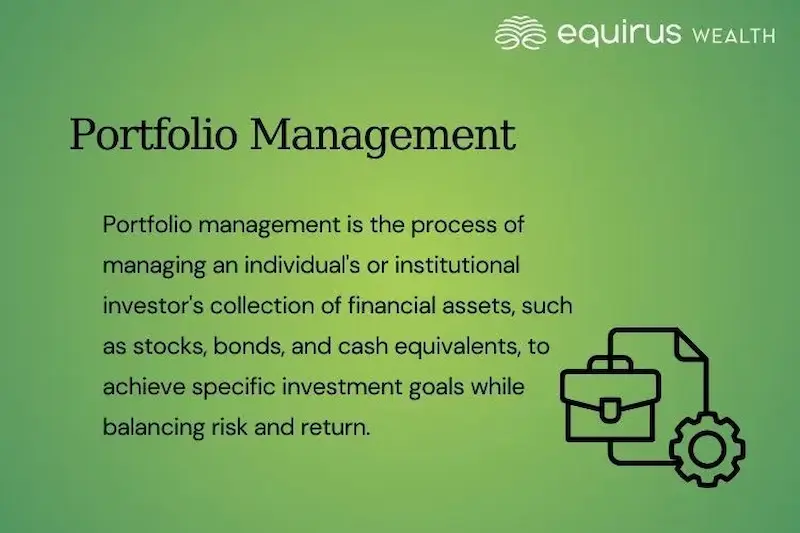
Portfolio management is the process of planning, organizing, and managing a group of investments to achieve specific financial goals. A portfolio usually includes different assets such as stocks, bonds, mutual funds, real estate, and other financial instruments.
In simple words, portfolio management means taking care of all your investments in a smart and organized way so that you can earn better returns while reducing risk.
How Portfolio Management Works
Portfolio management works by balancing different types of investments based on your goals, risk tolerance, and time horizon. Instead of putting all your money into one place, you spread it across multiple assets to create a balanced portfolio.
For example:
- Some investments focus on growth (like stocks)
- Some provide stability (like bonds)
- Some offer regular income (like dividends or rent)
Why Portfolio Management Is Important
Good portfolio management helps investors:
- Reduce overall investment risk
- Improve long-term returns
- Stay aligned with financial goals
- Avoid emotional investment decisions
Simple Understanding
In simple terms, portfolio management is a smart way of handling your investments so your money grows steadily while risks are kept under control.
Objectives of Portfolio Management
The main goal of portfolio management is to help investors achieve better financial results while keeping risks under control. It ensures that investments are aligned with personal goals, time horizon, and risk tolerance.
Wealth Creation
One of the primary objectives is to grow your money over time. A well-managed portfolio focuses on investments that generate long-term returns and increase overall wealth.
Risk Management
Portfolio management helps reduce risk by spreading investments across different assets. This diversification ensures that a loss in one investment does not heavily impact the entire portfolio.
Stable and Consistent Returns
Another key objective is to maintain steady returns instead of unpredictable results. A balanced portfolio can help smooth out market ups and downs.
Capital Preservation
Protecting the initial investment is also important, especially for conservative investors. Portfolio management helps minimize losses during market downturns.
Liquidity Management
It ensures that investors have access to cash when needed by including easily sellable assets in the portfolio.
Achieving Financial Goals
Every investor has specific goals like retirement, education, or buying property. Portfolio management helps create a clear path to achieve these goals efficiently.
Simple Understanding
In simple words, the objective of portfolio management is to grow your money, reduce risk, and help you achieve your financial goals in a smart and organized way.
Types of Portfolio Management
Portfolio management is not the same for every investor. Different approaches are used depending on financial goals, risk tolerance, and level of involvement. Understanding the types helps you choose the right strategy for your investments.
1. Active Portfolio Management
In active portfolio management, the investor or fund manager continuously buys and sells assets to try and outperform the market.
- Requires regular market analysis
- Higher risk and higher return potential
- Suitable for experienced investors
2. Passive Portfolio Management
This approach focuses on long-term investing with minimal buying and selling. The goal is to match market performance instead of beating it.
- Low cost and low maintenance
- Focus on long-term growth
- Ideal for beginners
3. Discretionary Portfolio Management
In this type, a professional portfolio manager makes all investment decisions on behalf of the investor.
- Expert handling of investments
- Saves time for investors
- Requires trust in the manager
4. Non-Discretionary Portfolio Management
Here, the portfolio manager only provides advice, but the final decision is made by the investor.
- Investor has full control
- Requires some market knowledge
- Balanced approach between guidance and control
Simple Understanding
In simple words, portfolio management can be active or passive, and controlled either by investors themselves or by professionals, depending on their needs and experience.
Key Elements of Portfolio Management
Successful portfolio management depends on several important elements that help investors build a balanced and effective investment plan. These elements ensure that your money is invested in the right way according to your goals and risk level.
Asset Allocation
Asset allocation means dividing your money among different types of investments like stocks, bonds, real estate, and cash.
- Helps balance risk and return
- Prevents over-dependence on one asset
Diversification
Diversification involves spreading investments across various sectors, industries, and asset classes.
- Reduces overall risk
- Protects portfolio from major losses
- Improves stability
Risk Tolerance
Risk tolerance is the level of risk an investor is comfortable taking.
- High risk tolerance = higher growth potential
- Low risk tolerance = safer investments
Investment Goals
Every portfolio is built based on financial goals like retirement, education, or wealth creation.
- Helps guide investment decisions
- Keeps portfolio focused and structured
Time Horizon
Time horizon is the duration for which you plan to stay invested.
- Long-term = higher growth assets
- Short-term = safer investments
Simple Understanding
In simple words, these key elements help investors build a strong portfolio by balancing risk, choosing the right assets, and staying focused on financial goals.
Portfolio Management Strategies
Portfolio management strategies are methods used to organize and grow your investments in a planned way. These strategies help investors manage risk, improve returns, and stay focused on long-term financial goals.
Growth Strategy
This strategy focuses on investing in assets that have high growth potential over time, such as fast-growing companies or emerging markets.
- High return potential
- Higher risk level
- Suitable for long-term investors
Income Strategy
This strategy focuses on generating regular income from investments.
- Dividend-paying stocks
- Bonds and interest-based assets
- Stable and consistent cash flow
Balanced Strategy
A balanced strategy combines both growth and income investments to maintain stability.
- Mix of stocks and bonds
- Moderate risk and return
- Ideal for most investors
Value Investing Strategy
This strategy focuses on buying undervalued assets that have strong long-term potential.
- Opportunity to buy at lower prices
- Requires research and patience
- Strong long-term returns possible
Index-Based Strategy
This involves investing in funds that track a market index like the overall stock market.
- Low cost and simple approach
- Diversified investment
- Great for beginners
Simple Understanding
In simple words, portfolio management strategies help investors choose the right mix of investments based on their goals, risk level, and investment style.
How to Build a Strong Portfolio
Building a strong investment portfolio is all about planning, balance, and consistency. A well-structured portfolio helps you grow wealth while managing risk effectively over time.
Set Clear Financial Goals
The first step is to define what you want to achieve. Your goals may include retirement, buying a house, education, or long-term wealth building.
- Helps guide investment decisions
- Keeps you focused and disciplined
Understand Your Risk Level
Every investor has a different comfort level with risk. Knowing your risk tolerance helps you choose suitable investments.
- High risk = higher return potential
- Low risk = more stability
Choose the Right Assets
Select a mix of investments such as stocks, bonds, mutual funds, ETFs, and real estate based on your goals.
- Creates balance in your portfolio
- Improves long-term performance
Diversify Your Investments
Avoid putting all your money in one place. Spread it across different sectors and asset classes.
- Reduces overall risk
- Protects against market losses
Monitor Your Portfolio
Regularly check your investments to ensure they are performing well and aligned with your goals.
- Track performance
- Identify weak areas
Rebalance When Needed
Over time, some investments may grow faster than others. Rebalancing helps maintain your desired asset allocation.
- Keeps portfolio balanced
- Controls risk effectively
Simple Understanding
In simple words, building a strong portfolio means setting goals, choosing the right investments, and regularly managing them to ensure steady financial growth.
you may also like it;
Market Predictions: Future Trends & Expert Forecasts
Investment Opportunities: Best Ways to Grow Your Wealth
Financial Market News: Latest Trends, Updates & Insights
Economic Analysis: Complete Guide to Trends, Data & Decisions
Importance of Diversification in Portfolio Management
Diversification is one of the most important principles in portfolio management. It means spreading your investments across different assets, industries, and sectors instead of putting all your money in one place.
Reduces Investment Risk
Diversification helps lower risk because if one investment performs poorly, others may perform well and balance the loss.
- Protects your portfolio from major losses
- Reduces dependency on a single asset
Improves Stability
A diversified portfolio usually performs more steadily over time, even during market ups and downs.
- Less volatility
- More consistent returns
Increases Opportunities for Growth
By investing in different sectors and asset types, you increase your chances of benefiting from various market opportunities.
- Exposure to multiple industries
- Better long-term growth potential
Protects Against Market Uncertainty
Markets are unpredictable, but diversification helps reduce the impact of sudden changes or economic downturns.
- Safer long-term investing approach
- Reduces financial stress
Balances Risk and Return
Diversification helps create a healthy balance between high-risk and low-risk investments.
- Combines growth and safety
- Suitable for all types of investors
Simple Understanding
In simple words, diversification is important because it spreads your risk and helps you achieve more stable and reliable returns in your investment portfolio.
Risks in Portfolio Management
Even though portfolio management helps reduce risk, investing still involves some level of uncertainty. Understanding these risks is important for making better financial decisions and protecting your investments.
Market Risk
Market risk refers to the possibility of losing money due to overall market movements.
- Affects all types of investments
- Caused by economic changes, political events, or global crises
Inflation Risk
Inflation reduces the purchasing power of money over time.
- Your returns may lose value if they don’t beat inflation
- Affects long-term investors more
Emotional Decision-Making
Investors sometimes make decisions based on fear or greed instead of logic.
- Panic selling during market drops
- Overbuying during market highs
Lack of Diversification
Putting all money into one asset increases risk.
- Higher chance of major losses
- Less protection during market downturns
Interest Rate Risk
Changes in interest rates can affect the value of investments like bonds and loans.
- Rising rates can reduce bond prices
- Impacts fixed-income investments
Liquidity Risk
Some investments are hard to sell quickly without losing value.
- Real estate and certain assets may take time to convert to cash
Simple Understanding
In simple words, portfolio management risks are unavoidable, but with proper planning, diversification, and discipline, investors can reduce their impact and protect their wealth.
Tips for Successful Portfolio Management
Successful portfolio management is not about luck—it is about discipline, planning, and making smart decisions over time. By following the right habits, investors can improve returns and reduce unnecessary risks.
Stay Focused on Long-Term Goals
Always invest with a long-term mindset instead of chasing short-term profits.
- Helps avoid emotional decisions
- Improves consistency in results
Review Your Portfolio Regularly
Check your investments from time to time to ensure they are performing well.
- Identify underperforming assets
- Stay aligned with your financial goals
Avoid Emotional Investing
Do not let fear or greed control your decisions.
- Prevents panic selling
- Helps maintain a stable strategy
Maintain Diversification
Always keep your investments spread across different asset classes.
- Reduces overall risk
- Improves stability
Keep Learning About Markets
Stay updated with financial knowledge and market trends.
- Improves decision-making
- Builds investor confidence
Rebalance When Needed
Adjust your portfolio when certain investments grow too much or too little.
- Maintains proper asset allocation
- Keeps risk under control
Start Early and Stay Consistent
The earlier you start investing, the more time your money has to grow.
- Benefits from compounding
- Builds strong financial habits
Simple Understanding
In simple words, successful portfolio management comes from patience, consistency, diversification, and smart long-term planning.
Tools for Portfolio Management

Using the right tools can make portfolio management easier, more organized, and more effective. These tools help investors track performance, analyze investments, and make better financial decisions.
Investment Apps
Investment apps allow you to buy, sell, and monitor your investments directly from your mobile or computer.
- Easy to use for beginners
- Real-time portfolio tracking
- Quick access to markets
Online Brokerage Platforms
These platforms help you invest in stocks, ETFs, mutual funds, and other assets.
- Provide market data and research tools
- Secure and regulated trading
- Suitable for all types of investors
Portfolio Tracking Tools
These tools help you monitor all your investments in one place.
- Track profits and losses
- Analyze asset performance
- Improve investment decisions
Financial News Platforms
Staying updated with financial news helps you understand market trends and make informed decisions.
- Market updates and analysis
- Economic and company news
Robo-Advisors
Robo-advisors automatically manage your portfolio based on your goals and risk level.
- Hands-free investing
- Automated rebalancing
- Ideal for beginners
Spreadsheets and Planning Tools
Simple tools like spreadsheets can help you manually track and organize your investments.
- Full control over data
- Custom tracking system
Simple Understanding
In simple words, portfolio management tools help investors stay organized, track performance, and manage their investments more efficiently for better long-term results.
What is portfolio management?
Portfolio management is the process of managing a group of investments like stocks, bonds, and mutual funds to achieve financial goals while reducing risk.
Why is portfolio management important?
It is important because it helps investors balance risk and return, stay organized, and achieve long-term financial goals more effectively.
What are the types of portfolio management?
The main types are active, passive, discretionary, and non-discretionary portfolio management.
Conclusion
Portfolio management is a powerful way to organize and grow your investments in a smart and structured manner. It helps investors balance risk, improve returns, and stay focused on their financial goals over time.
In this guide, we explored what portfolio management is, its objectives, types, strategies, benefits, and the key steps to building a strong investment portfolio. We also discussed common risks, mistakes to avoid, and useful tools that can make managing investments easier.
The most important takeaway is that successful portfolio management requires patience, discipline, and regular review. Instead of chasing quick profits, focusing on long-term planning and diversification leads to more stable and reliable financial growth.
In simple words, portfolio management helps you take control of your money, reduce risks, and build a stronger financial future step by step.