

Money management is an essential life skill that helps you take control of your finances and build a secure future. It simply means planning how you earn, spend, save, and invest your money in a smart and organized way. Good money management allows you to meet your daily needs while also preparing for future goals and unexpected expenses.
Many people struggle with money not because they earn less, but because they do not manage it properly. Without a clear plan, it becomes easy to overspend, fall into debt, or miss important financial opportunities. That is why learning basic money management skills is so important for everyone.
By developing strong financial habits like budgeting, saving regularly, and tracking expenses, you can improve your financial stability and reduce money-related stress. These simple steps can make a big difference in your overall financial life.
In this guide, you will learn practical money management tips, effective strategies, common mistakes to avoid, and simple steps to help you take full control of your money and achieve financial success.
What Is Money Management?
Money management is the process of planning, organizing, and controlling your money in a smart way to meet your financial needs and goals. It involves making decisions about how much you earn, spend, save, and invest.
In simple words, money management means using your income wisely so that you can cover your expenses, save for the future, and avoid financial stress.
How Money Management Works
Money management works by creating a balance between your income and expenses. It helps you understand where your money comes from and where it goes.
- Track your income sources
- Control your spending habits
- Save a portion of your earnings
- Invest for future growth
Difference Between Earning and Managing Money
Many people think earning more money is enough, but managing money is equally important.
- Earning money: Getting income from a job, business, or other sources
- Managing money: Planning how to use that income effectively
Even with a high income, poor money management can lead to financial problems.
Benefits of Money Management
Good money management helps you:
- Stay financially organized
- Avoid unnecessary debt
- Build savings and investments
- Achieve financial goals faster
- Reduce financial stress
Simple Understanding
In simple words, money management is about making smart decisions with your money so you can live comfortably today while also securing your financial future.
you may also like it;
Market Predictions: Future Trends & Expert Forecasts
Investment Opportunities: Best Ways to Grow Your Wealth
Financial Market News: Latest Trends, Updates & Insights
Economic Analysis: Complete Guide to Trends, Data & Decisions
Why Money Management Matters
Money management is important because it helps you take control of your financial life and make smarter decisions with your income. Without proper money management, it becomes easy to overspend, fall into debt, and struggle with financial stress.
Provides Financial Stability
Good money management ensures that you can cover your expenses without running out of money.
- Helps balance income and spending
- Creates a stable financial routine
Reduces Financial Stress
When your money is well organized, you feel more relaxed and confident about your future.
- Less worry about bills and expenses
- Better peace of mind
Helps Achieve Financial Goals
Whether it’s buying a house, starting a business, or saving for education, money management helps you reach your goals faster.
- Clear financial planning
- Better goal tracking
Improves Saving Habits
Proper money management encourages regular saving, which builds financial security over time.
- Emergency savings
- Long-term wealth building
Prevents Debt Problems
Managing money wisely helps you avoid unnecessary loans and high-interest debt.
- Better control over borrowing
- Improved financial discipline
Supports Better Decision-Making
When you know where your money goes, you can make smarter financial choices.
- Avoid impulse spending
- Focus on important priorities
Simple Understanding
In simple words, money management matters because it helps you stay financially stable, reduce stress, save more, avoid debt, and achieve your financial goals with confidence.
Key Components of Money Management
Money management is made up of several important parts that work together to help you stay financially stable and organized. Understanding these components can make it easier to control your money and reach your financial goals.
Income Management
This is about understanding how much money you earn from all sources.
- Salary or wages
- Business income
- Side earnings or freelancing
Knowing your total income is the first step in managing money effectively.
Budgeting
Budgeting means planning how you will spend your money each month.
- Track income and expenses
- Set spending limits
- Avoid overspending
Expense Tracking
Tracking expenses helps you understand where your money is going.
- Identify unnecessary spending
- Improve financial control
- Adjust spending habits
Saving
Saving means setting aside money for future needs and emergencies.
- Emergency fund
- Short-term goals
- Long-term financial security
Investing
Investing helps your money grow over time and build wealth.
- Stocks, mutual funds, real estate
- Long-term financial growth
- Protection against inflation
Debt Management
Managing debt means borrowing wisely and paying back on time.
- Pay high-interest debt first
- Avoid unnecessary loans
- Maintain good credit health
Simple Understanding
In simple words, the key components of money management include earning, budgeting, tracking expenses, saving, investing, and managing debt—all working together to create financial stability and success.
Best Money Management Tips
Good money management is not complicated. It is all about building simple habits that help you control your spending, save more, and plan for the future. Here are some of the best money management tips you can start using today.
Create a Monthly Budget
A budget helps you understand where your money is going and keeps your spending under control.
- Plan your income and expenses
- Avoid overspending
- Stay focused on financial goals
Track Your Expenses
Keeping track of your daily spending helps you identify wasteful habits.
- Know where your money goes
- Reduce unnecessary costs
- Improve financial awareness
Save Before You Spend
Make saving a priority instead of saving whatever is left.
- Build financial discipline
- Grow savings consistently
Avoid Unnecessary Spending
Think carefully before buying things you don’t really need.
- Prevent impulse purchases
- Save more money for important goals
Build an Emergency Fund
An emergency fund protects you from unexpected financial problems.
- Covers sudden expenses
- Reduces need for debt
Set Financial Goals
Clear goals help you stay motivated and focused.
- Short-term goals (travel, gadgets)
- Long-term goals (home, retirement)
Increase Your Income Sources
Try to earn extra income through side jobs or investments.
- Faster financial growth
- More saving opportunities
Simple Understanding
In simple words, the best money management tips include budgeting, tracking expenses, saving regularly, avoiding unnecessary spending, and planning for future financial goals.
How to Create a Money Management Plan
A money management plan helps you organize your income, control your spending, and achieve your financial goals in a structured way. It is like a roadmap that guides you toward better financial stability and success.
Calculate Your Total Income
Start by identifying how much money you earn every month from all sources.
- Salary or wages
- Business income
- Freelance or side income
List All Your Expenses
Write down all your monthly expenses so you know where your money is going.
- Rent and utilities
- Food and groceries
- Transportation
- Entertainment and other costs
Separate Needs and Wants
Understanding the difference between needs and wants helps you control unnecessary spending.
- Needs: essential expenses like food, housing, bills
- Wants: non-essential items like shopping and entertainment
Set Financial Goals
Decide what you want to achieve with your money.
- Short-term goals (saving for gadgets, trips)
- Long-term goals (home, education, retirement)
Create a Spending and Saving Plan
Divide your income into categories for spending, saving, and investing.
- Allocate a fixed percentage for savings
- Control unnecessary expenses
- Invest for future growth
Monitor and Adjust Regularly
Review your plan regularly to stay on track.
- Check monthly progress
- Adjust spending if needed
- Improve saving habits
Simple Understanding
In simple words, a money management plan helps you organize your income, control expenses, set goals, and regularly review your finances to stay financially stable and successful.
Smart Saving Strategies
Saving money is a key part of money management. Smart saving strategies help you build financial security, handle emergencies, and achieve your future goals without stress.
Pay Yourself First
Make saving a priority before spending on anything else.
- Set aside savings immediately after income
- Build a strong saving habit
- Avoid spending all your earnings
Automate Your Savings
Automatic savings make it easier to stay consistent.
- Set up automatic transfers to a savings account
- Remove the temptation to spend
- Save without thinking about it
Create an Emergency Fund
An emergency fund protects you from unexpected financial problems.
- Covers medical or urgent expenses
- Prevents reliance on debt
- Provides financial peace of mind
Set Clear Savings Goals
Having goals makes saving more meaningful and motivating.
- Short-term goals (gadgets, travel)
- Long-term goals (home, education, retirement)
Cut Unnecessary Expenses
Reducing wasteful spending increases your saving potential.
- Avoid impulse buying
- Cancel unused subscriptions
- Spend only on essentials
Use Separate Accounts
Keeping savings separate helps you avoid spending it accidentally.
- Dedicated savings account
- Better financial control
Simple Understanding
In simple words, smart saving strategies include paying yourself first, automating savings, setting goals, cutting unnecessary expenses, and building an emergency fund to secure your financial future.
Managing Debt Effectively
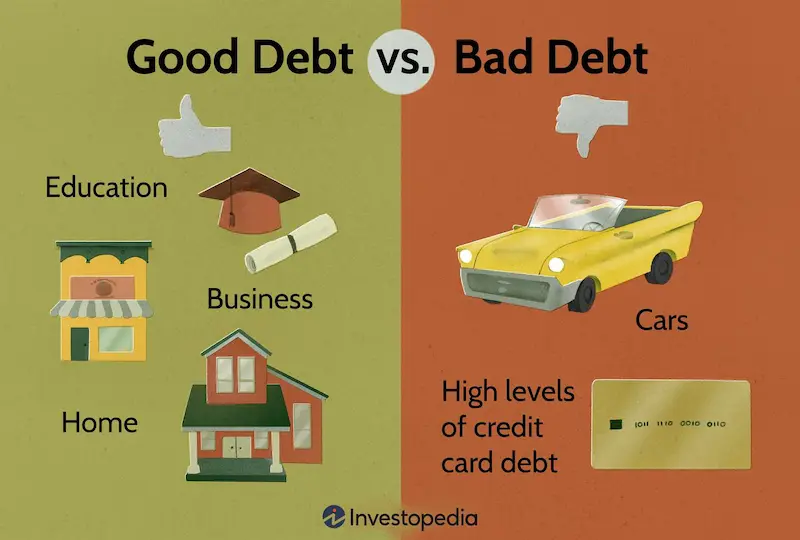
Managing debt is an important part of money management. When handled properly, debt can be useful, but if ignored, it can create financial stress and limit your future opportunities. Learning how to manage debt wisely helps you stay financially stable.
Understand Your Debt
The first step is to know exactly how much you owe and to whom.
- List all loans and credit balances
- Check interest rates and repayment terms
- Know your total monthly payments
Differentiate Good and Bad Debt
Not all debt is harmful. Some debt can help you build wealth, while others can be risky.
- Good debt: education loans, home loans, business loans
- Bad debt: high-interest credit card debt, unnecessary loans
Pay High-Interest Debt First
High-interest debt grows quickly and becomes harder to manage over time.
- Focus on credit cards and expensive loans
- Reduce interest burden faster
Make Regular Payments
Paying on time is very important for financial health.
- Avoid late fees and penalties
- Improve credit score
- Build trust with lenders
Avoid Unnecessary Borrowing
Think carefully before taking new loans.
- Borrow only when necessary
- Avoid impulsive purchases on credit
Create a Repayment Plan
A structured plan helps you become debt-free faster.
- List debts from highest to lowest interest
- Pay extra on priority debts
- Stay consistent with payments
Simple Understanding
In simple words, managing debt effectively means knowing your debts, paying them on time, avoiding unnecessary borrowing, and focusing on high-interest loans to achieve financial freedom faster.
What is money management?
Money management is the process of planning, tracking, and controlling your income, expenses, savings, and investments to achieve financial stability.
Why is money management important?
It is important because it helps you avoid debt, reduce financial stress, save more money, and reach your financial goals faster.
How can I improve my money management skills?
You can improve by creating a budget, tracking expenses, saving regularly, avoiding unnecessary spending, and learning basic financial skills.
Conclusion
Money management is one of the most important skills for achieving financial stability and long-term success. It is not just about earning money, but about using it wisely through proper planning, saving, and spending control. When you manage your money effectively, you can reduce financial stress and build a secure future.
In this guide, we explored essential money management tips, including budgeting, tracking expenses, saving regularly, managing debt, and setting financial goals. We also discussed practical strategies and habits that can help you improve your financial discipline over time.
The most important lesson is that small, consistent actions lead to big financial results. By making smart money decisions every day, you can gradually improve your financial health and achieve your goals.
In simple words, money management helps you take control of your finances, avoid unnecessary problems, and build a stronger, more secure financial future.