

Managing money wisely is an important skill that can help you achieve financial stability and peace of mind. Personal finance involves how you earn, spend, save, invest, and manage your money to meet both short-term and long-term financial goals. Whether you are a student, employee, business owner, or retiree, understanding personal finance can help you make better financial decisions.
Many people struggle with money because they lack a clear financial plan. Overspending, debt, and poor saving habits can create financial stress and make it difficult to achieve important goals. By learning basic personal finance principles, you can take control of your finances and build a stronger financial future.
Good personal finance habits include budgeting, saving regularly, managing debt responsibly, and investing for long-term growth. These habits not only help you handle daily expenses but also prepare you for emergencies and future opportunities.
In this guide, you will discover practical personal finance tips, effective money management strategies, common mistakes to avoid, and simple steps to improve your financial health and achieve greater financial freedom.
What Is Personal Finance?
Personal finance refers to the management of an individual’s or family’s money. It includes planning how to earn, spend, save, invest, and protect money to achieve financial goals and maintain financial stability. Personal Finance Tips
In simple words, personal finance is about making smart decisions with your money so you can meet your current needs while preparing for the future.
Main Areas of Personal Finance
Personal finance covers several important financial activities, including:
- Budgeting and expense management
- Saving money
- Investing for growth Personal Finance Tips
- Debt management
- Retirement planning
- Insurance and financial protection
How Personal Finance Works
Personal finance helps people create a plan for managing their income and expenses. It involves tracking spending, setting financial goals, building savings, and making informed investment decisions. Personal Finance Tips
For example:
- Saving part of your monthly income
- Paying bills on time
- Investing for long-term growth
- Preparing for emergencies
Benefits of Personal Finance
Effective personal finance management can help you:
- Reduce financial stress
- Improve money management skills
- Build long-term wealth
- Achieve financial goals faster
- Increase financial security Personal Finance Tips
Simple Understanding
In simple terms, personal finance is the process of managing your money wisely through budgeting, saving, investing, and planning so you can enjoy financial stability and reach your future goals. Personal Finance Tips
you may also like it;
Market Predictions: Future Trends & Expert Forecasts
Investment Opportunities: Best Ways to Grow Your Wealth
Financial Market News: Latest Trends, Updates & Insights
Economic Analysis: Complete Guide to Trends, Data & Decisions
Why Personal Finance Matters

Personal finance is important because it helps you take control of your money and make informed financial decisions. Good money management can improve your quality of life, reduce financial stress, and help you achieve both short-term and long-term goals. Personal Finance Tips
Provides Financial Security
Managing your finances properly helps you prepare for unexpected expenses and financial emergencies.
- Better financial stability
- Greater peace of mind Personal Finance Tips
- Reduced financial uncertainty
Helps Achieve Financial Goals
Whether you want to buy a home, start a business, travel, or retire comfortably, personal finance helps you create a plan to reach those goals.
- Clear financial direction
- Better goal achievement Personal Finance Tips
Reduces Financial Stress
Money problems are a common source of stress. Proper financial planning helps you feel more confident about your finances.
- Better control over expenses
- Less worry about money
Encourages Smart Spending
Personal finance teaches you how to spend wisely and avoid unnecessary purchases.
- Improved budgeting habits Personal Finance Tips
- More money available for savings and investments
Supports Long-Term Wealth Growth
By saving and investing regularly, you can grow your wealth and improve your financial future.
- Increased financial freedom
- Better retirement preparation Personal Finance Tips
Protects Against Debt Problems
Good financial management helps you avoid excessive debt and maintain healthy financial habits.
- Improved credit health
- Stronger financial position Personal Finance Tips
Simple Understanding
In simple words, personal finance matters because it helps you manage money effectively, reduce stress, achieve financial goals, and build a secure and successful future.
Key Components of Personal Finance
Personal finance consists of several important components that work together to help you manage money effectively. Understanding these areas can help you build a strong financial foundation and make better financial decisions.
Budgeting
Budgeting is the process of planning how you will spend and save your money each month.
- Tracks income and expenses
- Helps control spending Personal Finance Tips
- Supports financial goals
Saving
Saving money is essential for emergencies, future purchases, and long-term financial security.
- Builds financial stability
- Provides emergency protection
- Helps achieve financial goals Personal Finance Tips
Investing
Investing allows your money to grow over time and helps build long-term wealth.
- Increases earning potential
- Protects against inflation Personal Finance Tips
- Supports future financial needs
Debt Management
Managing debt responsibly helps prevent financial problems and improves financial health.
- Pay bills on time
- Reduce high-interest debt
- Borrow wisely Personal Finance Tips
Retirement Planning
Retirement planning ensures that you have enough money to support yourself later in life.
- Long-term financial security
- Greater financial independence
Insurance Protection
Insurance helps protect you and your family from unexpected financial losses.
- Health insurance
- Life insurance Personal Finance Tips
- Property insurance
Simple Understanding
In simple words, the key components of personal finance include budgeting, saving, investing, managing debt, planning for retirement, and protecting yourself with insurance. Together, these elements help create a strong and secure financial future.
Best Personal Finance Tips
Managing your money effectively does not have to be complicated. By following a few simple personal finance tips, you can improve your financial health, reduce stress, and work toward long-term financial success. Personal Finance Tips
Create a Monthly Budget
A budget helps you understand where your money is going and ensures that you spend within your limits.
- Track income and expenses
- Control unnecessary spending
- Stay focused on financial goals
Save Before You Spend
Make saving a priority by setting aside money as soon as you receive your income.
- Build savings faster
- Develop strong financial habits
Track Your Expenses
Monitoring your daily and monthly spending helps you identify areas where you can save more money.
- Improve financial awareness
- Reduce wasteful spending
Avoid Impulse Purchases
Think carefully before making non-essential purchases.
- Save more money
- Prevent unnecessary debt
Set Clear Financial Goals
Having specific goals helps you stay motivated and make better financial decisions.
- Short-term goals
- Long-term goals
- Better financial planning
Build an Emergency Fund
Emergency savings can protect you from unexpected expenses such as medical bills or job loss.
- Improve financial security
- Reduce reliance on debt
Invest for the Future
Investing regularly can help your money grow and support long-term wealth creation.
- Benefit from compound growth
- Increase financial freedom
Simple Understanding
In simple words, the best personal finance tips include budgeting, saving consistently, controlling spending, setting goals, building emergency savings, and investing for long-term financial growth.
How to Create and Follow a Budget
A budget is one of the most important tools in personal finance. It helps you manage your money, control spending, and ensure that you have enough funds for savings and future goals. Creating and following a budget can improve your financial stability and reduce money-related stress.
Calculate Your Monthly Income
Start by determining how much money you earn each month from all sources.
- Salary or wages
- Business income
- Freelance earnings
- Other income sources
Knowing your total income helps you plan your spending accurately.
List All Your Expenses
Write down all your monthly expenses, including fixed and variable costs.
- Rent or mortgage
- Utilities
- Food and groceries
- Transportation
- Entertainment
This gives you a clear picture of where your money is going.
Separate Needs from Wants
Distinguish between essential expenses and optional spending.
- Needs: housing, food, healthcare, transportation
- Wants: dining out, subscriptions, luxury purchases
This helps you prioritize spending.
Set Spending Limits
Assign a spending limit for each category to avoid overspending.
- Stay within your budget
- Improve financial discipline
Review Your Budget Regularly
Check your budget every month and make adjustments if necessary.
- Track progress
- Adapt to changes in income or expenses
Simple Understanding
In simple words, creating and following a budget means knowing your income, tracking expenses, controlling spending, and regularly reviewing your finances to stay on track with your financial goals.
Importance of Saving Money
Saving money is one of the most important aspects of personal finance. It provides financial security, helps you achieve future goals, and protects you from unexpected expenses. Developing a regular saving habit can make a significant difference in your financial well-being.
Provides Financial Security
Savings act as a safety net during difficult times and help you handle unexpected situations with confidence.
- Reduces financial stress
- Improves peace of mind
- Creates financial stability
Helps Build an Emergency Fund
Unexpected expenses can happen at any time. Having savings allows you to deal with emergencies without relying on debt.
- Medical expenses
- Car repairs
- Job loss or income reduction
Supports Financial Goals
Saving money helps you achieve both short-term and long-term goals.
- Buying a home
- Starting a business
- Funding education
- Planning vacations
Reduces Dependence on Debt
When you have savings available, you are less likely to borrow money for unexpected expenses.
- Lower financial risk
- Better money management
Creates Future Opportunities
Savings give you the flexibility to take advantage of investment opportunities or major life changes.
- More financial freedom
- Greater confidence in decision-making
Develops Financial Discipline
Regular saving encourages responsible money habits and long-term thinking.
- Better budgeting skills
- Stronger financial foundation
Simple Understanding
In simple words, saving money is important because it provides security, helps achieve goals, reduces debt, and creates a stronger financial future.
Managing Debt Effectively
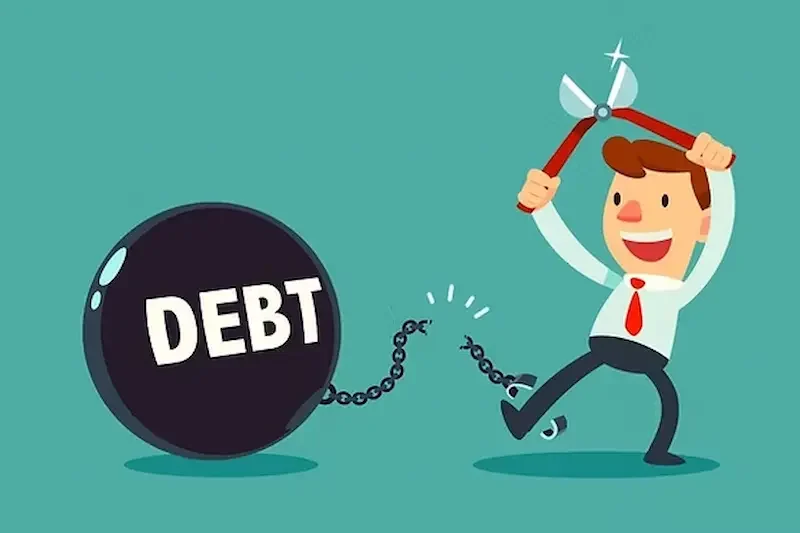
Debt can be useful when managed responsibly, but too much debt can create financial stress and make it difficult to achieve your financial goals. Learning how to manage debt effectively is an important part of personal finance.
Understand the Difference Between Good and Bad Debt
Not all debt is the same. Some types of debt can help improve your financial future, while others can become a burden.
- Good debt: Education loans, business loans, mortgages
- Bad debt: High-interest credit card debt and unnecessary borrowing
Pay High-Interest Debt First
High-interest debt can grow quickly and cost a lot over time.
- Focus on credit cards and expensive loans
- Reduce interest payments
- Free up money for savings and investments
Make Payments on Time
Paying bills and loan installments on time helps maintain a good financial record.
- Avoid late fees
- Improve credit score
- Build financial credibility
Avoid Unnecessary Borrowing
Before taking on new debt, consider whether it is truly necessary.
- Borrow only what you can repay
- Avoid impulse purchases using credit
Create a Debt Repayment Plan
A structured repayment strategy can help you become debt-free faster.
- List all debts
- Prioritize high-interest balances
- Make consistent payments
Build Healthy Financial Habits
Managing debt becomes easier when combined with budgeting and saving.
- Track spending carefully
- Avoid overspending
- Maintain emergency savings
Simple Understanding
In simple words, managing debt effectively means borrowing responsibly, paying debts on time, reducing high-interest loans, and creating a plan to become financially stronger and more secure.
What is personal finance?
Personal finance is the management of your money, including earning, spending, saving, investing, and planning for future financial goals.
Why is personal finance important?
It is important because it helps you control your money, reduce financial stress, and achieve long-term financial security and freedom.
How can I improve my personal finance skills?
You can improve by creating a budget, tracking expenses, saving regularly, avoiding debt, and learning basic financial concepts.
Conclusion
Personal finance is one of the most important skills for building a stable and successful life. It is not just about earning money, but about managing it wisely through budgeting, saving, investing, and controlling expenses. Good financial habits can help you reduce stress, avoid debt problems, and achieve your life goals more easily.
In this guide, we discussed essential personal finance tips, including how to create a budget, save effectively, manage debt, and invest for the future. We also explored common mistakes people make and how to avoid them for better financial health.
The most important lesson is that financial success does not happen overnight. It comes from consistent effort, smart decisions, and disciplined money habits. Even small improvements in your daily financial behavior can lead to big long-term results.
In simple words, personal finance is about taking control of your money today so you can enjoy a more secure, confident, and financially free future tomorrow.