
Saving money is one of the most important financial habits you can develop. It helps you prepare for unexpected expenses, achieve your financial goals, and build a secure future. Whether you want to buy a home, start a business, travel, or simply enjoy peace of mind, having a savings plan can make a big difference.
Many people find it difficult to save money because of rising living costs, impulse spending, or a lack of financial planning. However, saving does not require a large income. Even small amounts saved consistently can grow into significant savings over time. The key is to follow smart saving money strategies and develop healthy financial habits.
Effective saving is not just about spending less—it is about making better decisions with your money. By creating a budget, tracking expenses, reducing unnecessary spending, and setting clear financial goals, you can improve your financial stability and gain greater control over your finances.
In this guide, you will learn practical saving money strategies, simple saving techniques, common mistakes to avoid, and useful tips that can help you save more money and achieve long-term financial success.
What Are Saving Money Strategies?
Saving money strategies are practical methods and habits that help you set aside money regularly while reducing unnecessary spending. These strategies make it easier to manage your finances, reach your goals, and build long-term financial security.
In simple words, saving money strategies are smart ways to keep more of your income instead of spending it all. They help you develop better money habits and make your finances more stable.
How Saving Money Strategies Work
Saving strategies focus on controlling expenses and increasing the amount of money you save each month.
- Create a budget and follow it
- Track where your money goes
- Reduce unnecessary expenses
- Set aside money regularly for savings
Why Saving Strategies Are Important
Without a savings plan, it is easy to spend money without thinking about the future. Saving strategies provide a clear path toward financial success.
- Improve financial discipline
- Build emergency savings
- Reduce money-related stress
- Support future financial goals
Examples of Saving Money Strategies
There are many ways to save money effectively, including:
- Paying yourself first
- Automating savings transfers
- Avoiding impulse purchases
- Using discounts and coupons
- Cutting unnecessary subscriptions
Benefits of Using Saving Strategies
When you follow a savings plan, you can:
- Build financial security
- Prepare for emergencies
- Achieve goals faster
- Create long-term wealth
Simple Understanding
In simple terms, saving money strategies are smart financial techniques that help you spend wisely, save consistently, and build a stronger financial future.
you may also like it;
Market Predictions: Future Trends & Expert Forecasts
Investment Opportunities: Best Ways to Grow Your Wealth
Financial Market News: Latest Trends, Updates & Insights
Economic Analysis: Complete Guide to Trends, Data & Decisions
Why Saving Money Matters

Saving money is important because it gives you financial security and helps you prepare for both expected and unexpected expenses. It allows you to handle life’s challenges with confidence and work toward your future goals without relying heavily on debt.
Provides Financial Security
Having savings creates a financial safety net that protects you during difficult times.
- Greater peace of mind
- Better financial stability
- Less dependence on borrowing
Helps During Emergencies
Unexpected situations can happen at any time, and savings help you deal with them more easily.
- Medical emergencies
- Car repairs
- Job loss or reduced income
Reduces Financial Stress
Knowing you have money set aside can reduce anxiety about future expenses.
- More confidence in financial decisions
- Less worry about unexpected costs
Supports Financial Goals
Saving money helps you achieve important goals without taking on unnecessary debt.
- Buying a home
- Starting a business
- Funding education
- Planning vacations
Creates Financial Freedom
Regular savings provide more choices and flexibility in life.
- Ability to take advantage of opportunities
- Greater control over your future
Simple Understanding
In simple words, saving money matters because it provides security, reduces stress, helps you handle emergencies, and makes it easier to achieve your financial goals.
Benefits of Saving Money
Saving money offers many advantages that can improve your financial health and overall quality of life. Whether you save a small amount or a large amount, developing a savings habit can help you achieve greater financial security and freedom.
Improves Financial Stability
Savings provide a strong financial foundation and help you manage your expenses more effectively.
- Better control over finances
- Increased financial confidence
- Reduced financial uncertainty
Protects Against Unexpected Expenses
Life is full of surprises, and savings can help you handle them without financial stress.
- Medical bills
- Home or vehicle repairs
- Emergency travel expenses
Helps Achieve Financial Goals
Saving money makes it easier to reach both short-term and long-term goals.
- Buying a car or home
- Starting a business
- Paying for education
- Planning retirement
Reduces Dependence on Debt
When you have savings available, you are less likely to rely on loans or credit cards.
- Lower interest costs
- Better financial independence
Creates Investment Opportunities
Having savings allows you to invest and grow your wealth over time.
- More financial opportunities
- Potential for long-term growth
Provides Peace of Mind
Knowing that you have money set aside can help you feel more secure and confident about the future.
- Less financial stress
- Greater sense of security
Simple Understanding
In simple words, saving money helps you stay financially stable, prepare for emergencies, achieve important goals, avoid unnecessary debt, and create a more secure future.
Best Saving Money Strategies
Saving money becomes easier when you follow proven strategies that help you control spending and build better financial habits. These simple methods can help you save consistently and reach your financial goals faster. saving money strategies
Create a Monthly Budget
A budget helps you understand how much money you earn and spend each month.
- Track income and expenses
- Identify unnecessary spending
- Allocate money for savings saving money strategies
Pay Yourself First
Save a portion of your income before spending on anything else.
- Make saving a priority
- Build your savings consistently
- Develop financial discipline saving money strategies
Automate Your Savings
Set up automatic transfers to your savings account.
- Save without effort
- Stay consistent every month
- Reduce temptation to spend saving money strategies
Track Your Expenses
Monitoring your spending helps you find areas where you can cut costs.
- Improve financial awareness
- Control unnecessary expenses
- Increase savings potential saving money strategies
Avoid Impulse Purchases
Think carefully before making non-essential purchases.
- Prevent overspending
- Keep your budget on track
- Focus on financial goals saving money strategies
Reduce Unnecessary Expenses
Cut back on spending that does not add much value to your life.
- Cancel unused subscriptions
- Reduce dining out expenses saving money strategies
- Compare prices before buying
Set Clear Savings Goals
Having specific goals makes saving more meaningful and motivating.
- Short-term goals
- Long-term goals saving money strategies
- Better financial planning
Simple Understanding
In simple words, the best saving money strategies include budgeting, paying yourself first, automating savings, tracking expenses, reducing unnecessary spending, and setting clear financial goals.
How to Create an Effective Savings Plan
A savings plan is a roadmap that helps you save money consistently and reach your financial goals. Without a plan, it can be difficult to stay motivated and track your progress. Creating a simple savings plan can make saving easier and more effective.
Set Clear Financial Goals
Start by deciding what you are saving for.
- Emergency fund
- Vacation or travel
- New car or home
- Education expenses saving money strategies
- Retirement savings
Having a specific goal gives your savings a purpose.
Calculate Your Income and Expenses
Understand how much money you earn and spend each month.
- List all income sources
- Track monthly expenses saving money strategies
- Identify areas where you can save more
Determine a Savings Target
Choose how much money you want to save regularly.
- Save a percentage of your income
- Start with a realistic amount saving money strategies
- Increase savings gradually over time
Create a Savings Schedule
Set a timeline for reaching your goals.
- Weekly savings targets
- Monthly savings goals saving money strategies
- Long-term savings milestones
Monitor Your Progress
Review your savings regularly to stay motivated.
- Track your balance growth
- Adjust goals when needed saving money strategies
- Celebrate small achievements
Stay Consistent
Consistency is more important than saving large amounts occasionally.
- Save regularly
- Avoid withdrawing savings unnecessarily
- Keep focused on long-term goals
Simple Understanding
In simple words, an effective savings plan helps you set goals, save regularly, track progress, and stay motivated so you can achieve financial security and future success.
Building an Emergency Fund
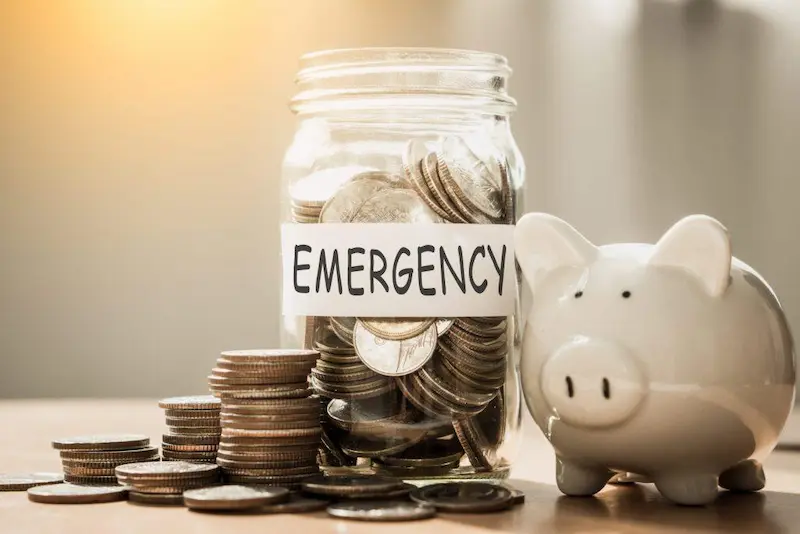
An emergency fund is money set aside specifically for unexpected expenses or financial emergencies. It acts as a financial safety net and helps you avoid borrowing money when unexpected situations arise.
What Is an Emergency Fund?
An emergency fund is a dedicated savings account used only for urgent and unforeseen expenses.
Examples include:
- Medical emergencies
- Car repairs
- Home maintenance costs
- Job loss or reduced income
Why Is an Emergency Fund Important?
Life is unpredictable, and emergencies can happen at any time. Having emergency savings can protect your financial stability.
- Reduces financial stress
- Prevents unnecessary debt
- Provides peace of mind
- Improves financial security
How Much Should You Save?
Financial experts often recommend saving enough money to cover several months of living expenses.
- Start with a small goal
- Save consistently every month
- Gradually increase your emergency fund over time
Where Should You Keep Your Emergency Fund?
Your emergency savings should be easy to access when needed.
- Savings account
- High-yield savings account
- Secure and liquid financial accounts
Tips for Building an Emergency Fund
- Save a portion of every paycheck
- Automate your savings contributions
- Use bonuses or extra income to boost savings
- Avoid using the fund for non-emergency expenses
Simple Understanding
In simple words, an emergency fund is money saved for unexpected situations. It provides financial protection, reduces stress, and helps you handle emergencies without relying on loans or credit cards.
What are saving money strategies?
Saving money strategies are practical methods and habits that help you reduce expenses, save consistently, and improve your financial stability.
How can I start saving money if I have a low income?
Start by saving a small amount regularly, creating a budget, cutting unnecessary expenses, and increasing your savings gradually over time.
How much money should I save each month?
A common recommendation is to save at least 10% to 20% of your monthly income, but the exact amount depends on your financial situation and goals.
Conclusion
Saving money is a powerful habit that can transform your financial life over time. It is not about how much you earn, but how wisely you manage and save your income. With the right saving money strategies, anyone can build financial security and achieve their goals.
In this guide, we explored important saving strategies such as creating a budget, tracking expenses, paying yourself first, building an emergency fund, and cutting unnecessary costs. These simple steps can help you develop strong financial habits and improve your money management skills.
The key to successful saving is consistency. Even small savings made regularly can grow into a strong financial foundation in the future. By staying disciplined and focused on your goals, you can reduce financial stress and gain more control over your life.
In simple words, saving money helps you stay prepared, avoid debt, and build a secure and stable financial future for yourself and your family.