

Budgeting is one of the most important financial skills for beginners who want to take control of their money and build a secure future. It simply means creating a plan for how you will spend, save, and manage your income in a smart and organized way. With a proper budget, you can clearly see where your money is going and make better financial decisions. Budgeting for Beginners
Many people struggle with money because they do not have a clear plan. Without budgeting, it becomes easy to overspend, run into debt, or fail to save for important goals. That is why learning budgeting from the beginning is so powerful—it helps you stay in control of your finances instead of letting your money control you.
Budgeting is not about restricting your life or stopping you from enjoying things. Instead, it is about balance. It allows you to cover your needs, enjoy your wants, and still save for the future. Even small changes in your spending habits can lead to big improvements in your financial life over time.
In this guide, you will learn simple budgeting tips for beginners, step-by-step methods to create a budget, common mistakes to avoid, and easy strategies to help you manage your money with confidence and success.
What Is Budgeting?
Budgeting is the process of creating a simple plan for how you will use your money. It helps you decide how much to spend, save, and invest based on your income and expenses. In simple words, budgeting means giving every rupee or dollar a purpose so you can manage your money more effectively. Budgeting for Beginners
A budget works like a financial roadmap. It shows you where your money is coming from and where it is going. When you follow a budget, you can control your spending, avoid unnecessary expenses, and make sure you always have enough money for your important needs.
Budgeting is used in everyday life, even if you don’t realize it. For example, when you plan your monthly expenses like rent, groceries, bills, and savings, you are already creating a basic budget. It helps you stay organized and prevents you from running out of money before the month ends. Budgeting for Beginners
How Budgeting Works in Real Life
Budgeting works by comparing your income with your expenses.
- You earn money from a job, business, or other sources
- You list all your expenses (needs and wants) Budgeting for Beginners
- You plan how much to spend and how much to save
Simple Understanding
In simple terms, budgeting is a smart way to manage your money so you can live within your means, save for the future, and avoid financial stress. Budgeting for Beginners
you may also like it;
Market Predictions: Future Trends & Expert Forecasts
Investment Opportunities: Best Ways to Grow Your Wealth
Financial Market News: Latest Trends, Updates & Insights
Economic Analysis: Complete Guide to Trends, Data & Decisions
Why Budgeting Is Important
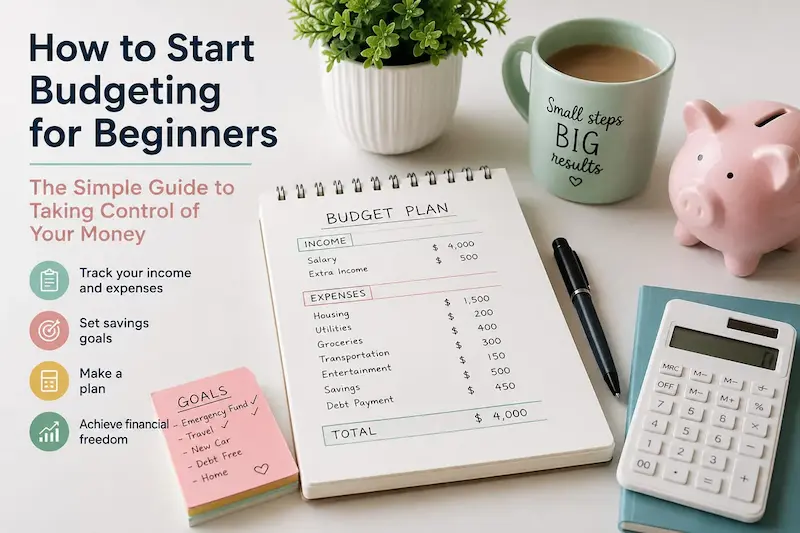
Budgeting is important because it helps you take full control of your money instead of wondering where it went. Without a budget, it is easy to overspend, save less, and face financial stress. A good budget gives you a clear plan for how to manage your income wisely. Budgeting for Beginners
Helps You Control Your Money
A budget allows you to decide where your money should go instead of spending it randomly.
- Prevents overspending
- Improves financial discipline Budgeting for Beginners
- Keeps your finances organized
Reduces Financial Stress
When you know your income and expenses clearly, you feel more relaxed and confident about money.
- Fewer money worries
- Better peace of mind
- Clear financial direction
Helps You Save More Money
Budgeting makes saving a regular habit instead of an afterthought.
- Builds emergency savings Budgeting for Beginners
- Supports future goals
- Encourages consistent saving Budgeting for Beginners
Helps You Avoid Debt
A proper budget ensures you don’t spend more than you earn.
- Reduces need for loans
- Prevents credit card debt Budgeting for Beginners
- Improves financial stability
Helps You Achieve Financial Goals
Whether it’s buying something big or planning for the future, budgeting makes goals easier to reach.
- Short-term goals (gadgets, travel) Budgeting for Beginners
- Long-term goals (home, education, retirement)
Simple Understanding
In simple words, budgeting is important because it helps you manage money wisely, reduce stress, save more, avoid debt, and achieve your financial goals with confidence. Budgeting for Beginners
Basic Principles of Budgeting
Budgeting becomes easy when you understand a few simple principles. These basic rules help you manage your money better and build strong financial habits over time. Budgeting for Beginners
Spend Less Than You Earn
The most important rule of budgeting is to always spend less than your income.
- Avoid overspending
- Create room for savings
- Build financial stability
Track Your Income and Expenses
You should always know how much money you are earning and how much you are spending.
- Record all income sources
- Track daily and monthly expenses
- Identify spending patterns Budgeting for Beginners
Separate Needs and Wants
Understanding the difference between needs and wants helps you control unnecessary spending.
- Needs: food, rent, bills, transport Budgeting for Beginners
- Wants: shopping, entertainment, luxury items
Save Regularly
Saving should be a fixed part of your budget, not something you do only if money is left.
- Build emergency savings
- Achieve future goals Budgeting for Beginners
- Improve financial security
Plan for the Future
A good budget always includes planning for upcoming expenses and financial goals.
- Short-term planning
- Long-term financial goals Budgeting for Beginners
- Emergency preparedness
Simple Understanding
In simple words, the basic principles of budgeting include spending less than you earn, tracking expenses, saving regularly, and planning ahead to stay financially secure. Budgeting for Beginners
Step-by-Step Guide to Create a Budget
Creating a budget may seem difficult at first, but it becomes simple when you follow a clear step-by-step process. This guide will help beginners build a practical budget that works in real life.
Step 1: Calculate Your Monthly Income
Start by finding out your total income from all sources. Budgeting for Beginners
- Salary or wages
- Business income
- Side earnings or freelance work
Step 2: List All Your Expenses
Write down everything you spend money on each month.
- Rent and utilities
- Groceries and food
- Transportation
- Entertainment and shopping Budgeting for Beginners
Step 3: Divide Expenses into Fixed and Variable
This helps you understand which costs stay the same and which can change. Budgeting for Beginners
- Fixed expenses: rent, bills, loan payments Budgeting for Beginners
- Variable expenses: food, shopping, travel
Step 4: Set Spending Limits
Assign a limit for each category so you don’t overspend.
- Control unnecessary spending
- Stay within your income
Step 5: Allocate Savings
Decide how much money you will save before spending.
- Emergency fund savings
- Short-term and long-term goals
Step 6: Review and Adjust Regularly
Check your budget every month and make changes if needed.
- Track progress
- Improve financial planning Budgeting for Beginners
- Adjust for changes in income or expenses
Simple Understanding
In simple words, creating a budget means calculating your income, listing expenses, setting limits, saving regularly, and reviewing your plan to stay financially organized and in control.
Popular Budgeting Methods for Beginners
There are several simple budgeting methods that beginners can use to manage their money effectively. Choosing the right method depends on your lifestyle, income, and financial goals. Budgeting for Beginners
50/30/20 Rule
This is one of the easiest budgeting methods for beginners.
- 50% for needs (rent, bills, groceries)
- 30% for wants (shopping, entertainment)
- 20% for savings and debt repayment Budgeting for Beginners
Envelope System
In this method, you divide your money into different spending categories.
- Cash is placed in labeled envelopes
- You spend only what is in each envelope
- Helps control overspending
Zero-Based Budgeting
In this method, every rupee or dollar has a purpose.
- Income minus expenses equals zero
- Assign every amount to a category
- Ensures full control of money
Simple Percentage Budgeting
You divide your income into fixed percentages based on your needs.
- Easy to follow
- Flexible for beginners
- Helps balance spending and saving
Simple Understanding
In simple words, budgeting methods like the 50/30/20 rule, envelope system, and zero-based budgeting help beginners manage money easily by giving structure and control over spending and saving.
How to Track Your Expenses
Tracking your expenses is a key part of successful budgeting. It helps you understand where your money is going and makes it easier to control your spending habits. Without tracking, it becomes difficult to stay within your budget.
Record Your Daily Spending
Start by writing down everything you spend money on each day.
- Small purchases like snacks and coffee
- Bills and monthly payments
- Transportation and shopping costs
Use Budgeting Apps or Tools
Technology can make expense tracking simple and fast.
- Mobile budgeting apps
- Excel sheets or Google Sheets
- Online banking expense summaries
Review Your Spending Weekly or Monthly
Regular reviews help you stay on track and identify problem areas.
- Check where you overspend
- Adjust your budget if needed
- Improve financial control
Identify Unnecessary Expenses
Tracking helps you see where you can save more money.
- Cancel unused subscriptions
- Reduce impulse buying
- Focus on essential needs
Simple Understanding
In simple words, tracking expenses means keeping a record of your spending so you can understand your money habits, control unnecessary costs, and stay within your budget.
Smart Saving Strategies for Beginners
Saving money is one of the most important parts of budgeting. Smart saving strategies help you build financial security, prepare for emergencies, and achieve your goals faster.
Pay Yourself First
Always save money before you start spending.
- Set aside savings immediately after income
- Treat saving as a priority, not an option
- Build a strong financial habit
Create an Emergency Fund
An emergency fund protects you from unexpected expenses.
- Covers medical bills or urgent needs
- Prevents reliance on loans
- Provides financial peace of mind
Automate Your Savings
Make saving easier by setting it on auto mode.
- Automatic bank transfers to savings account
- Helps you stay consistent
- Removes temptation to spend
Set Clear Savings Goals
Having goals makes saving more meaningful.
- Short-term goals (gadgets, travel)
- Long-term goals (home, education, retirement)
Cut Unnecessary Expenses
Reduce spending on things you don’t really need.
- Avoid impulse buying
- Cancel unused subscriptions
- Focus on essentials
Simple Understanding
In simple words, smart saving strategies include paying yourself first, building an emergency fund, automating savings, and cutting unnecessary expenses to grow your money steadily.
Common Budgeting Mistakes

Many beginners struggle with budgeting because of simple mistakes that can easily be avoided. Understanding these mistakes can help you stay on track and improve your financial planning.
Not Tracking Expenses
If you don’t track your spending, it becomes hard to control your money.
- Lose control over finances
- Overspend without realizing it
- Difficulty staying within budget
Setting Unrealistic Budgets
A budget that is too strict or unrealistic is hard to follow.
- Leads to frustration
- Increases chances of failure
- Not suitable for daily life
Ignoring Savings
Some people focus only on spending and forget to save.
- No emergency fund
- Financial insecurity
- Slower wealth growth
Overspending on Wants
Spending too much on non-essential items can ruin your budget.
- Less money for needs
- Reduced savings
- Financial imbalance
Not Reviewing Your Budget
A budget should be updated regularly to stay effective.
- Outdated financial plan
- Missed adjustments
- Poor money management
Simple Understanding
In simple words, common budgeting mistakes include not tracking expenses, setting unrealistic plans, ignoring savings, overspending, and not reviewing your budget regularly.
What is budgeting for beginners?
Budgeting for beginners means creating a simple plan to manage your income, expenses, and savings so you can control your money better.
How do I start a budget?
Start by calculating your monthly income, listing your expenses, and dividing your money into needs, wants, and savings.
What is the 50/30/20 rule?
It is a simple budgeting method where 50% of income goes to needs, 30% to wants, and 20% to savings or debt repayment.
Conclusion
Budgeting is one of the most important financial skills for beginners who want to build a strong and stable financial future. It helps you understand your income, control your expenses, and make better decisions with your money. Instead of wondering where your money goes, budgeting gives you a clear plan and direction.
In this guide, we covered essential budgeting concepts, including how to create a budget, popular budgeting methods, smart saving strategies, and common mistakes to avoid. These simple steps can help you take control of your finances and build better money habits.
The key to successful budgeting is consistency. Even small efforts like tracking expenses, saving regularly, and following a simple plan can lead to big improvements over time. Budgeting is not about restricting your life—it is about creating balance and financial freedom.
In simple words, budgeting helps beginners manage money wisely, reduce stress, avoid debt, and achieve financial goals with confidence and clarity.